
Biotechnology
27 articles in this category

After one CAR-T infusion, three of six RA patients stop their drugs
People with severe arthritis received one drip of immune cells engineered the way cancer teams do. Three of six improved enough to stop their drugs.

Every other seemingly healthy adult already shows arterial plaque
In more than half of adults with no symptoms, plaque already sits in the arteries — sometimes even before age thirty. A large Denmark–Spain study shows a paper risk score alone will not reveal that.

An ointment clears aged-skin cells that slow healing
Researchers painted aged mouse skin with a drug that clears worn-out cells. Wounds then closed clearly more often than without that prep.

A lymph node trains T cells that later harm a tau-burdened brain
T cells that help destroy the brain in Alzheimer-like disease get their instructions in a lymph node outside the brain. In mice, cutting that path protects memory even when protein deposits remain.

A graphene membrane removes half the caffeine from coffee
An Australian–Japanese team shows a graphene oxide membrane that cuts about half the caffeine from coffee in the lab while keeping flavour-related compounds. This is not yet decaf coffee or a factory line — more a filter instead of solvent chemistry.

A pumpkin protease cuts peanut proteins but does not erase the allergy
Researchers in Wrocław show that a pumpkin enzyme can weaken the immune system’s reaction to peanut proteins in lab tests. This is not yet food that is safe for people with peanut allergy — protein fragments that can still bind remain after processing.

Remission still leaves gut cells primed to die
Even when IBD symptoms are quiet, gut lining cells can stay set for cell death. A Science study from Melbourne links that signal to relapse risk and new monitoring paths.

Skull marrow trains immunity closer to the brain than a lymph node
Mouse skull bone marrow holds lymph-node-like immune hubs that sense brain signals before distant nodes. The discovery opens a local route to treat neurological disease — still preclinical.

A mini-tumor in a chip reveals a drug the plate does not detect
Flat cancer-cell cultures are often too still: a real tumor is a sphere under slow fluid flow. A Brazilian team built an openable chip that grows mini-tumors and tests drugs in motion — closer to tissue, aiming to reduce animal testing.

Mucus flow changes the verdict on the antibiotic
Classic antibiotic tests use still culture media, while lung bacteria feel mucus flow. A Spanish team built a simple platform that recreates that shear and better predicts which drug will work.

A nanocapsule delivers the antibiotic to the ulcer despite stomach mucus
Half of humanity carries H. pylori, and pills often never reach under the stomach mucus. A Korean team built nanoparticles that, in a mouse model, cut the antibiotic dose tenfold.

Cell therapy in a drip. No weeks in a factory
Cell therapy may enter a vein like an ordinary drip, without weeks in a cell factory. Early results from 16 patients point to a cheaper path than today’s treatments worth over a million zlotys.

An AI-designed synthetic RNA courier. A shape nature never found
Helmholtz Munich and TUM: AI designed a synthetic RNA courier in a shape evolution never produced — it delivers genes more efficiently than clinical lipid nanoparticles; a spin-off is planned.

Horses versus computers. A duel over snake antivenom
For 130 years, snake antivenom has been produced in horses' veins. Nobel laureate David Baker's team has designed a protein that does it better — no refrigeration, no horse, and 100% survival of mice after a lethal dose of venom.

Sugar in a mask. How one spray gave wheat what GMO could not
Trehalose-6-phosphate, a plant's own growth signal, cannot cross the cell membrane. A masked precursor sprayed onto leaves releases it in sunlight — lifting wheat yields by 10 percent with no extra fertiliser.

A fish built from salt and gelatin. The fillet that never swam
In winter we scatter salt on the pavement so the ice melts. In a lab in Qingdao, salt does the opposite — it makes ice grow in a carefully planned way. The result is an edible scaffold on which five million cells become two and a half billion — and a fish fillet that never swam.

A few atoms decide whether a drug reaches the lungs or the liver. The linker paradox in nanomedicine
Two nearly identical nanoparticles land in the same organs. One delivers mRNA to the lungs, the other sinks into the liver. Dan Peer's team at Tel Aviv University discovered that what decides this is a few atoms in the lipid linker, the part of the molecule everyone had overlooked.

Base editing was winning the race. Then it met a gene it can't fix
Base editing led the race to fix genes — until it hit the ATP1A3 gene it can't repair. Prime editing took the baton and in July 2025 extended the lives of mice with a rare neurological disease fourfold.
42 times better in 24 hours. Anatomy of an enzyme design machine
The ML-driven cell-free expression platform shortens enzyme engineering from months to 24 hours. Michael Jewett's (Northwestern/Stanford) team achieved a 42-fold improvement in catalytic activity using simple ridge regression instead of deep neural networks. Nature Communications 2025.

AI versus superbugs. 40 peptides, 25 hits
Yeji Wang's team from Shandong University used a diffusion model to generate 40 new antimicrobial peptides from scratch. 25 worked. Two have been tested on mice. AI has just solved the most expensive step in antibiotic discovery.

Custom enzyme. From the Nobel Prize to atomic precision
David Baker won the Nobel Prize for protein design. Three months later, his team showed that they could design the enzyme atom by atom — without imitating nature. And Poland still does not have a bridge between the computational laboratory and the wet laboratory.
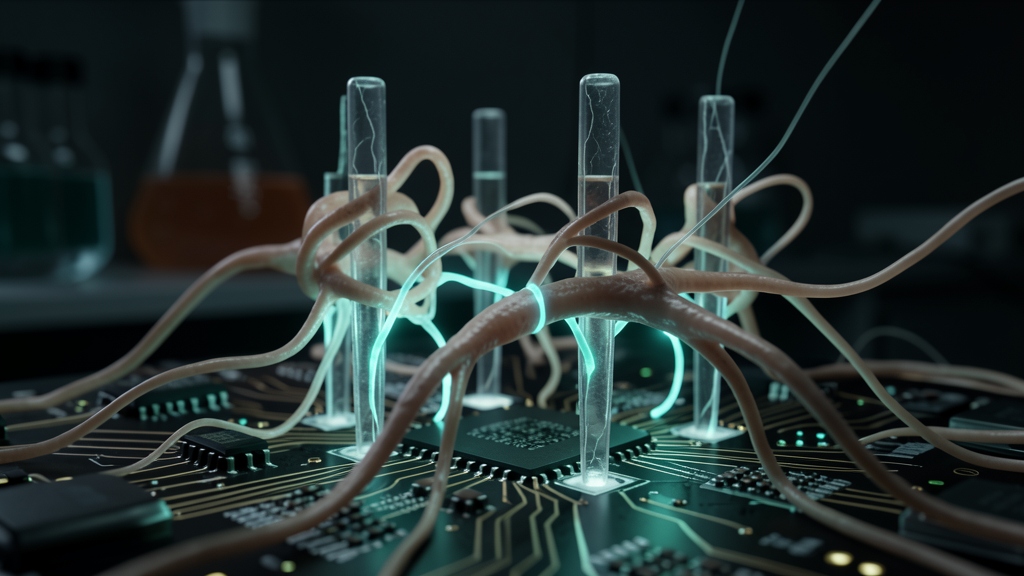
A cable that grows. Why the future of neuroimplants is not made of metal
Biohybrid and living neural interfaces - from biomimetic polymers to axons replacing cables. Review of Flavi Vitale's research in Nature Communications and the Polish neurotechnology ecosystem.
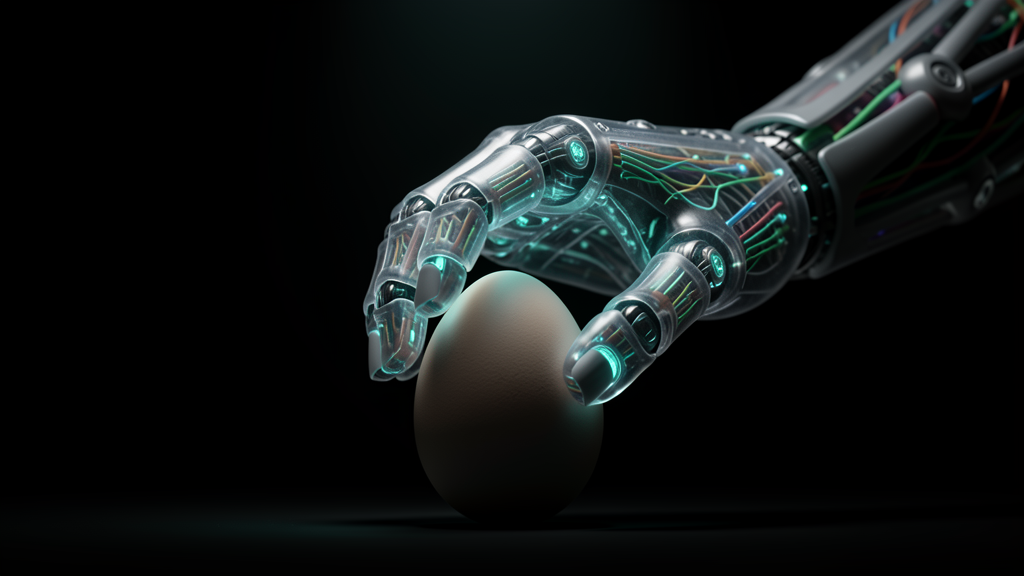
Three layers, 99 percent. A prosthesis that feels like a human hand
A team from Johns Hopkins created a prosthetic hand with a three-layer touch sensor. 99.69% object classification accuracy. 40,000 Polish patients are waiting for access to this technology. Science Advances 2025.
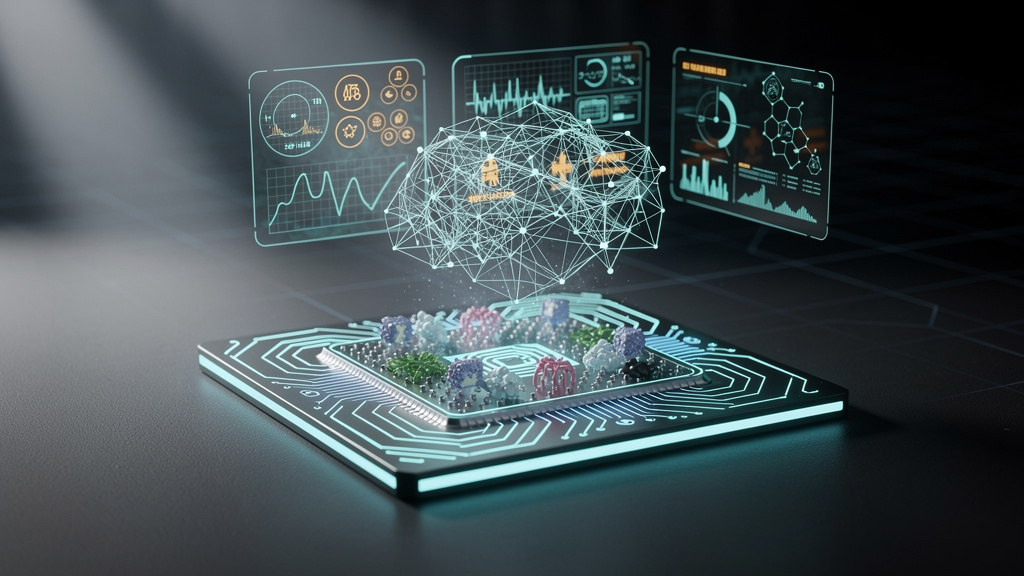
A biosensor that learns from you
Molecularly imprinted polymers (MIPs) with neural networks enable biosensors that adapt to the user. Shape memory materials respond to physiological changes in real time. Polish potential: polymer chemistry institutes.
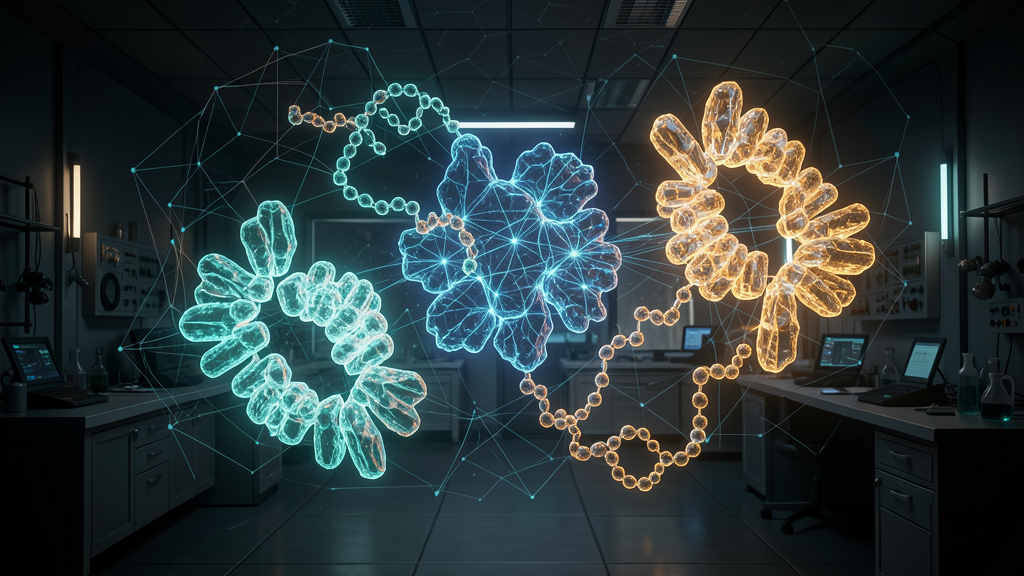
A protein designer who doesn't wait for evolution
How the MULTI-evolve algorithm combining protein language models (ESM-2) with synthetic biology shortens enzyme design from months to 2 weeks. Vincent Tran, Arc Institute, Science 2026. Polish potential: Ryvu, Molecure, NCBR.
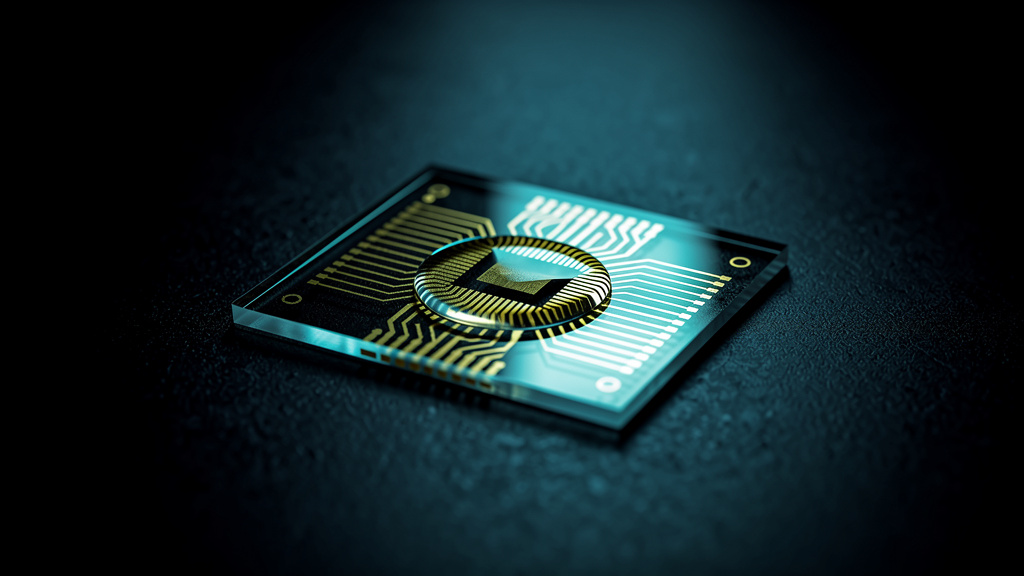
A biosensor stuck in a laboratory
Only 1% of electrochemical biosensors leave the laboratory. The problem isn't physics - it's supply chain, economies of scale and regulation. Poland publishes 629 works in 4 years and does not have a single pilot line.
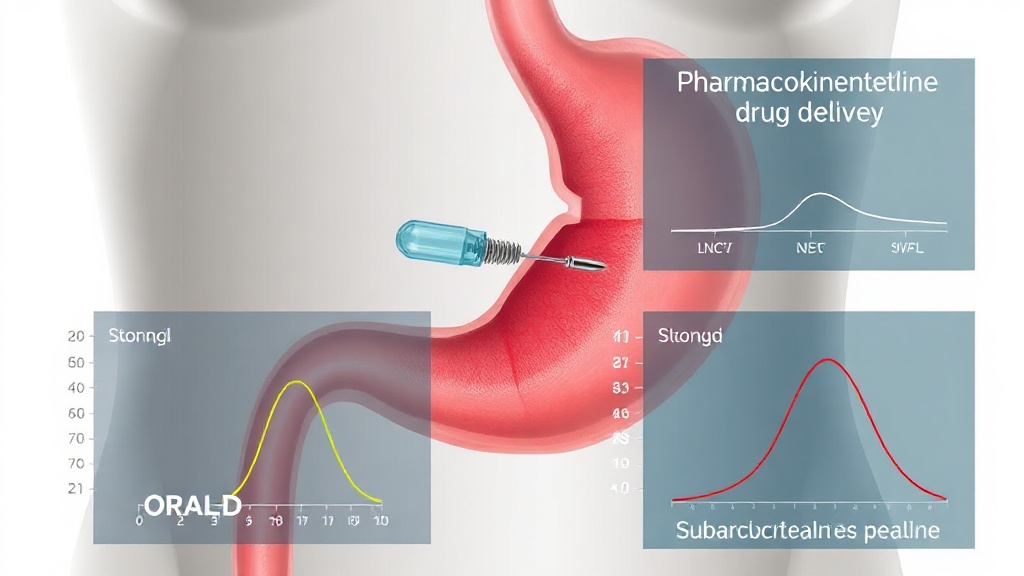
A spike instead of a syringe - BIONDD® capsule delivers biologics with 116% bioavailability
The BIONDD® capsule inserts a biodegradable spike with the drug into the stomach wall and achieves 116% bioavailability compared to the injection. Danish breakthrough on the road to oral insulin - a study in dogs, TRL 5–6.