
All articles
Page 10 of 10

A computer that shouldn't work
In November 2023, Andrew King, a forty-something physicist employed at Canadian D-Wave Systems, closed the door of a conference room in Burnaby behind him.

Photon cloning finally works. 30× faster than a year ago
Indistinguishable photons in the 1550 nm telecommunications band, 30 times faster than a year earlier. The result of Paweł Holewa's team in Nature Communications shifts the question from "if" to "when".

The Trillion Dollar Promise. Why green hydrogen still hasn't taken off - and what does it mean for Poland
Analysis by Odenweller and Ueckerdt (Nature Energy, 2025): of the 190 GW of electrolysers needed, less than 10% were created. Poland - the third producer of gray hydrogen in the EU - does not have a single project after the final investment decision.

One square centimeter versus a supercomputer. Poles in the team that proved quantum superiority
The D-Wave quantum processor performed calculations that the best supercomputers could not repeat in a reasonable time. There are 63 authors in the team - two Poles from the Jagiellonian University. Their work in Science is the first practical proof that a quantum machine can solve a real physics problem beyond the reach of classical computers.

A robot that feels what it is holding
The electronic skin from Harbin Institute combines an electrostatic and triboelectric sensor. The robot recognizes shape (94.3%) and material (91.7%) in a second. Polish potential: ASTOR, FANUC Poland, NCBR PLN 45 million.
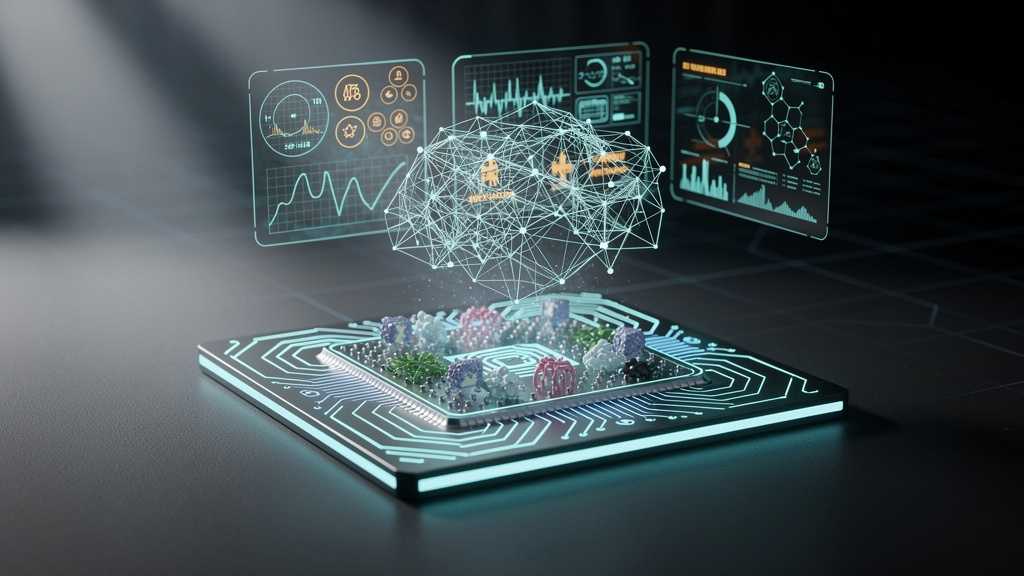
A biosensor that learns from you
Molecularly imprinted polymers (MIPs) with neural networks enable biosensors that adapt to the user. Shape memory materials respond to physiological changes in real time. Polish potential: polymer chemistry institutes.
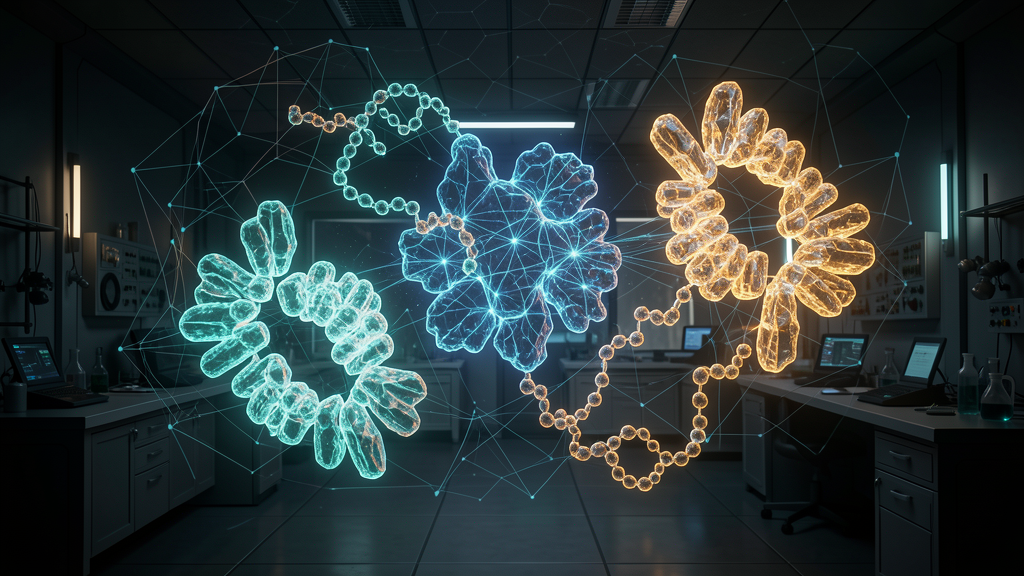
A protein designer who doesn't wait for evolution
How the MULTI-evolve algorithm combining protein language models (ESM-2) with synthetic biology shortens enzyme design from months to 2 weeks. Vincent Tran, Arc Institute, Science 2026. Polish potential: Ryvu, Molecure, NCBR.
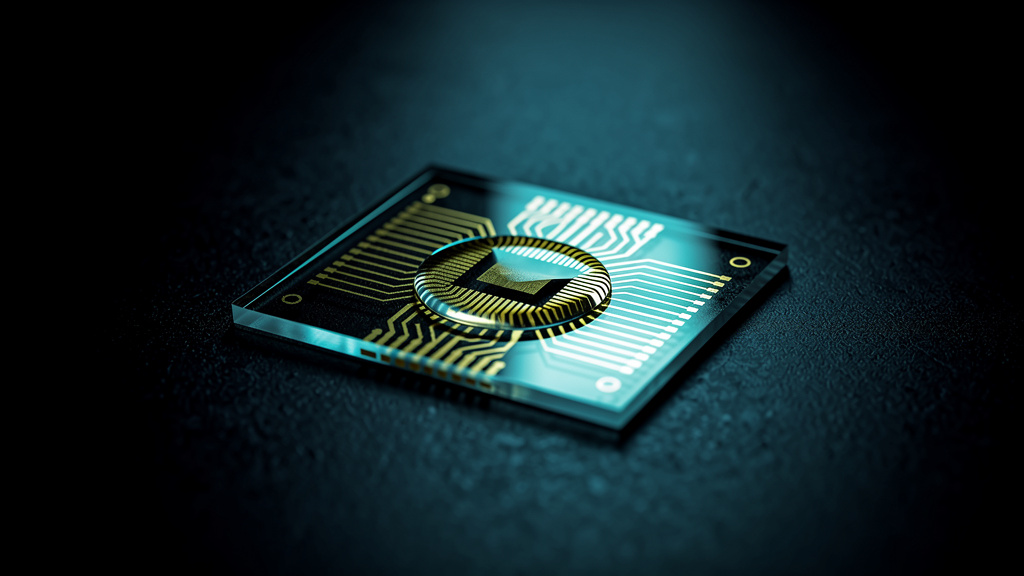
A biosensor stuck in a laboratory
Only 1% of electrochemical biosensors leave the laboratory. The problem isn't physics - it's supply chain, economies of scale and regulation. Poland publishes 629 works in 4 years and does not have a single pilot line.

Perovskite will not wait for Poland
Flexible perovskite cells achieve 23.7% efficiency under sunlight and 42.5% under artificial light. Bifacial sealing solves the problem of cracked grain boundaries. Polish paradox: Saule Technologies no longer exists, but the patents and know-how still exist.
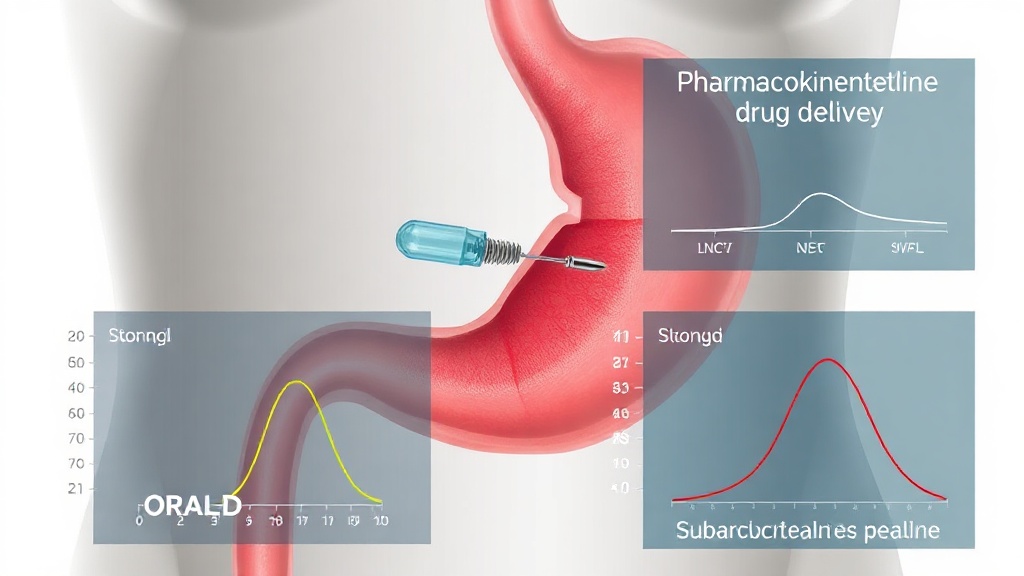
A spike instead of a syringe - BIONDD® capsule delivers biologics with 116% bioavailability
The BIONDD® capsule inserts a biodegradable spike with the drug into the stomach wall and achieves 116% bioavailability compared to the injection. Danish breakthrough on the road to oral insulin - a study in dogs, TRL 5–6.

An atom shifted by a fraction of a picometer: new ptychography reaches where convention fails
Researchers from Tsinghua University have exceeded the electron ptychography thickness threshold by three times, achieving an atomic position precision of 0.39 pm in 85-nanometer silicon. The road to atomic chip quality control.

A binder that spoils the cell. New interface chemistry could unlock perovskites
Phosphonic acids destroyed the perovskites from the inside. The new binder extends module life >22% to T90 3000h and brings silicon/perovskite tandems closer to production.